

In response to growing public concern over steadily increasing electricity costs, Fenaka Corporation Limited has asserted that the rise in bills over the past decade is not due to a systemic billing error, but rather a direct result of extreme heat and higher consumption patterns.
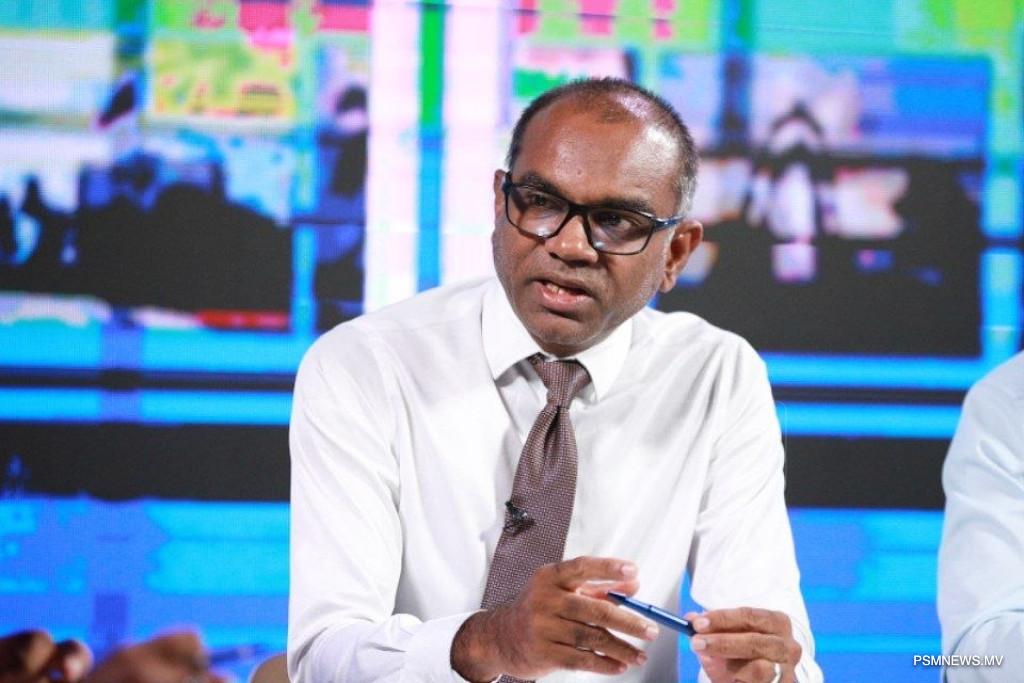
The state-owned utility company addressed the issue on PSM News’ ‘Raajje Miadhu’ programme, with senior officials providing a detailed breakdown of the factors at play. The company's Chief Technical Officer, Abdulla Nashith, acknowledged the influx of complaints but clarified that the increased charges accurately reflect a significant jump in electricity usage, largely driven by prolonged heatwaves.
"We can be sure that powerhouse generation is increasing by 25 percent on every island. Diesel consumption is increasing by that same proportion. This confirms that the issue is one of increased generation demand, not a fault in the billing process," Nashith explained.
He further noted that appliances, particularly water pumps and cooling systems, consume more energy when exposed to high temperatures, even if usage habits remain unchanged.
The discussion also touched on recent billing cycle adjustments with Fenaka’s Chief Development Officer Mohamed Shujau clarifying that the deadline for bill preparation was extended following the month of Ramadan, in line with a government directive to cap bills at USD 26 during the holy month.
"If a bill is unusually high, it undergoes an additional verification stage. So, this is not a billing issue,” he said, emphasising that such administrative changes do not equate to a rate hike.
To ensure accuracy, Fenaka confirmed that all metres are factory-tested, calibrated upon arrival in the Maldives, and readings are meticulously verified. The entire billing system operates under the strict standards set by the Utility Regulatory Authority, with the company remaining committed to investigating individual cases where a metre reading error is suspected.
With peak consumption periods expected to continue, Fenaka and government agencies are advising the public to adopt energy-saving measures to mitigate high costs during the hottest days of the year.