

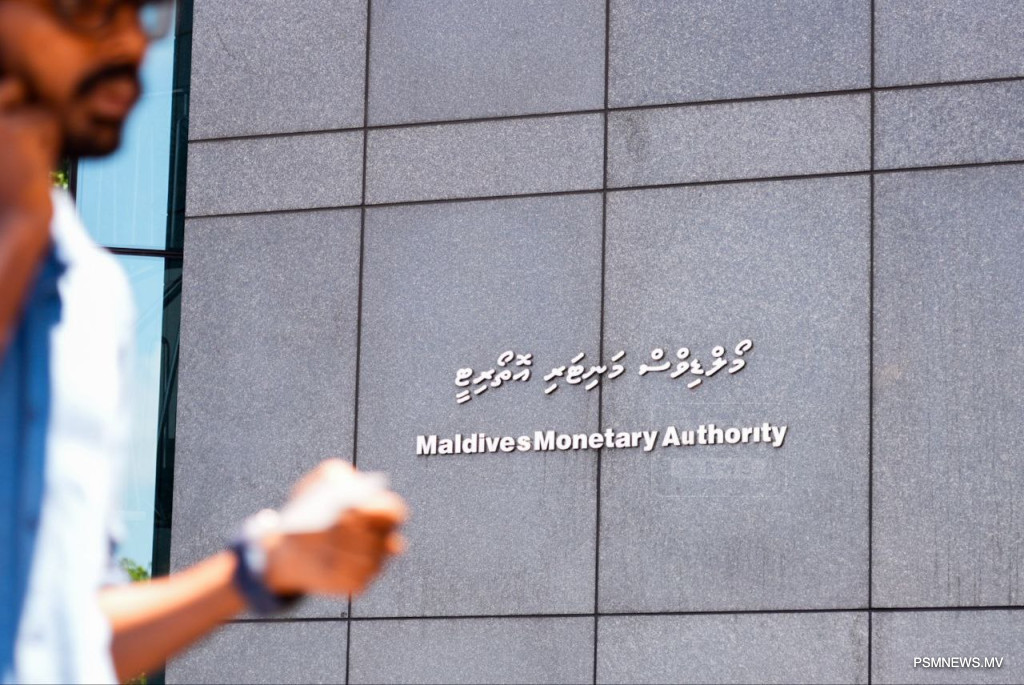
The Maldives Monetary Authority (MMA) has reported that the country’s official foreign‑exchange reserves stood at USD 686.8 million at the end of June, a decline of USD 18 million from May and USD 145.6 million compared with June 2025.
Despite the drop in gross reserves, usable reserves—calculated after subtracting foreign‑exchange obligations due within the coming year—were USD 248.9 million, down USD 11.9 million month‑on‑month but up about 23 percent from the USD 203 million recorded in June 2025.
The MMA attributed the monthly fall in gross reserves to heightened foreign‑exchange spending, notably a 43 percent increase in dollars sold to the market under its intervention policy, driven by stronger demand from banks and importers.
The central bank also noted that reserves had peaked at USD 1,3 billion in March 2026 before sliding to USD 645 million as of the latest data, with the steepest monthly drop occurring in April.
On the fiscal front, President Dr Mohamed Muizzu highlighted that his administration has cleared USD 1.29 billion of external debt since taking office, including USD 891 million inherited from the previous government and USD 195 million from earlier administrations, plus USD 62.5 million of debt accrued under former presidents Mohamed Nasheed and Mohamed Waheed Hassan.
The MMA has forecast that official reserves will reach USD 904 million by year‑end, reflecting ongoing measures to strengthen the country’s financial position. The World Bank’s Maldives Development Update 2026 corroborates this outlook, noting that the gap between government revenue and expenditure has narrowed to USD 330.7 million—around 4.3 percent of GDP, largely due to higher revenues and tighter spending.