

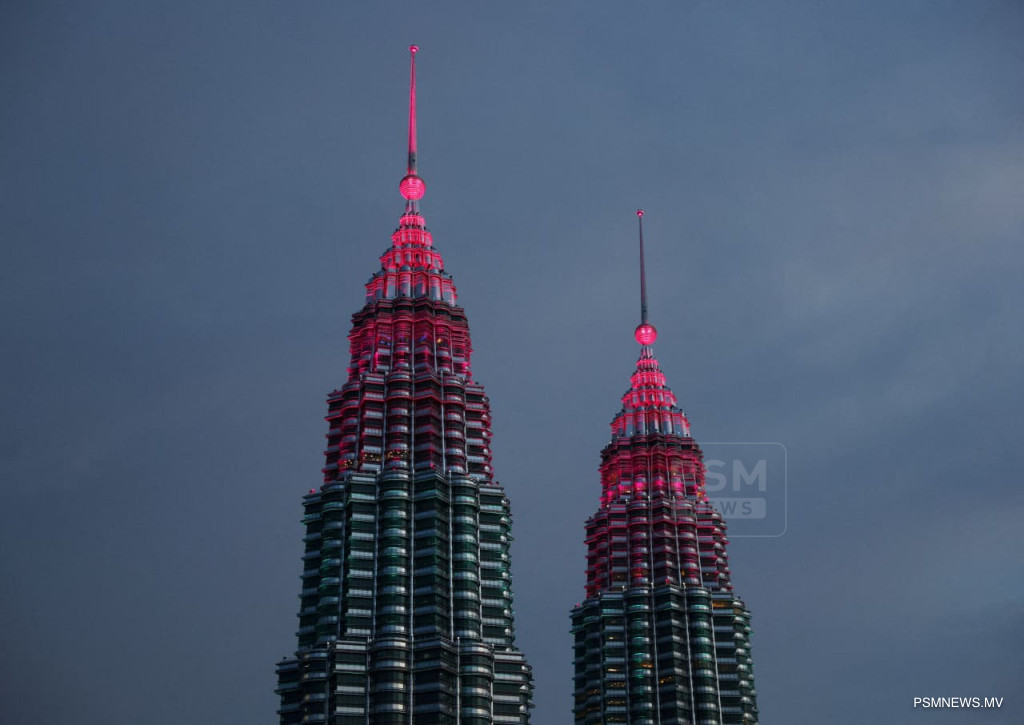
Malaysia has a population of about 34 million, with most of the population of Malay descent. The country’s population also includes people of Chinese and Indian descent.
The Malaysian government operates as a federal constitutional monarchy, with the prime minister heading the government. The country has 14 states and three federal territories, and its parliament has two houses.
Malaysia’s economic development
A southeast Asian country, Malaysia has seen significant progress in terms of infrastructure and economic development over the last 50 years. International financial institutions describe Malaysia’s economic transformation as an awe-inspiring achievement.
Today, Malaysia has transformed from a raw-material exporter into a diversified, middle-income economy.
The services sector is the largest part of Malaysia’s economy, accounting for approximately 58 percent. The industrial sector follows with 35 percent while the country’s export industry possesses over 7 percent of the economy.
In 2024, Malaysia’s GDP grew to 5.1 percent, a significant growth compared to 3.7 percent in the previous year. In 2025, its GDP increased to 5.2 percent. GDP growth reached 6 percent in the second quarter of this year. Its GDP per capita is currently USD 15,000, with its economy reaching USD 500 billion.
An example in infrastructural development
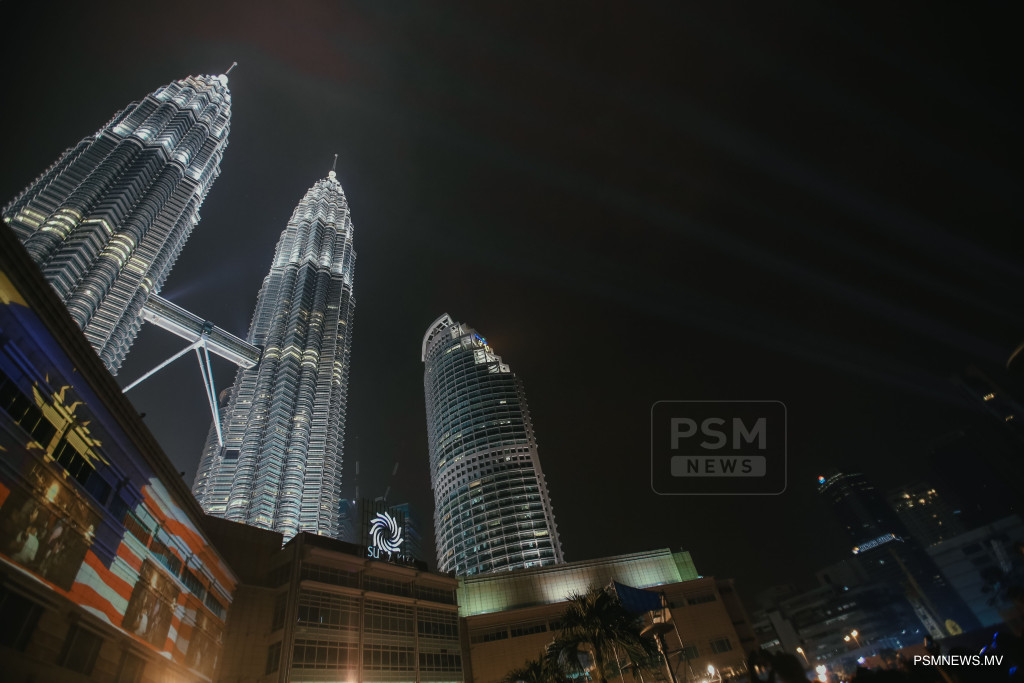
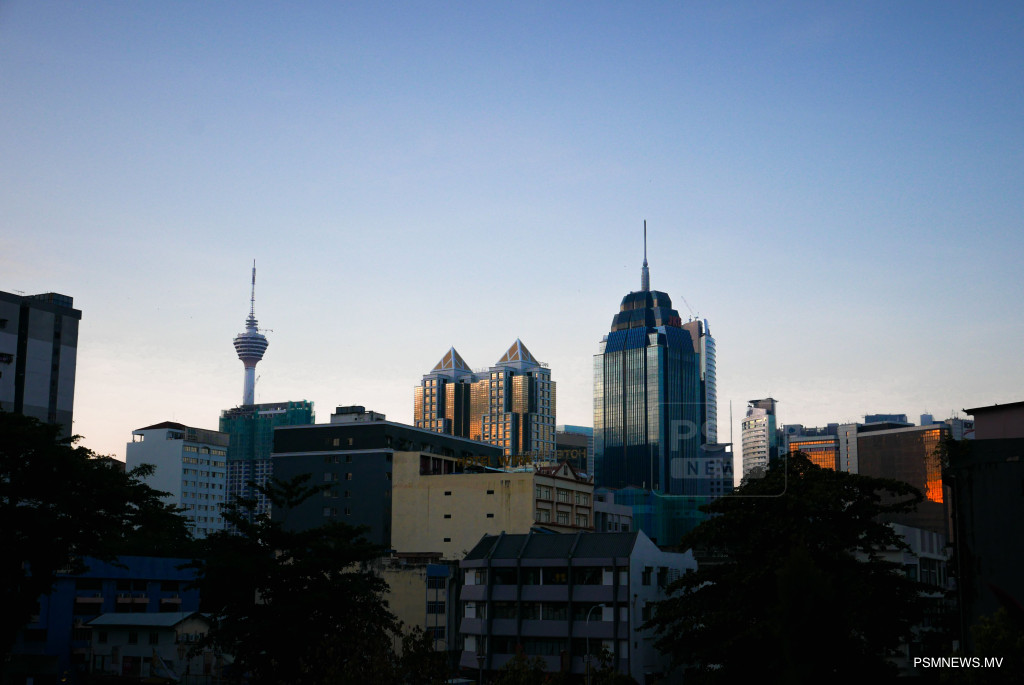
Malaysia has invested heavily in infrastructure and development, including the Petronas Twin Towers developed in the early 1990s with foreign investment. The structure brought about significant development growth to Malaysia for the world to witness.
Malaysia’s multi-billion dollar project, the ‘12th Malaysia Plan’ is also bringing about revolutionary changes to Malaysia’s sustainable development. Several projects are being implemented under the USD 98.4 billion project, including the East Coast Rail Link (ECRL), valued at USD 12.3 billion. The mega-project will link Malaysia’s east and west. When the project reaches completion in 2027, the country’s GDP is expected to increase by an additional 1.5 percent.
According to the World Bank, Malaysia has the second-best infrastructural resources in Southeast Asia.
Malaysia has also seen a major reduction in poverty, from 49.3 percent in 1970 to 5.6 percent in 2019. Malaysia has been classified by the United Nations as having very high human development under the UN Human Development Index (HDI) as a result of its sustainable development over the last ten years.
Other developments:
According to the World Bank, Malaysia is expected to become a high-income country between 2028 and 2030. The minimum wage was raised from USD 369 to USD 417 in February 2025, benefiting 4.37 million workers. Unemployment and inflation also remained relatively low with unemployment at 3.1 percent and inflation at 1.5 percent.
Meanwhile, Malaysia's health system employs more than 270,000 health workers, and has been transformed into an equitable, quality and internationally recognised system. Malaysia established universal health coverage in the 1980s through a tax-revenue-funded state health system. While medical tourism is an important revenue stream, medical tourism attracted 642,643 tourists, generating USD 309 million in the first six months of 2024 alone.
Economists expect Malaysia's GDP growth to be faster this year than the previous year. In this journey of sustainable development, Malaysia is showing that with strong policies and planning, a country can become a developed country.