

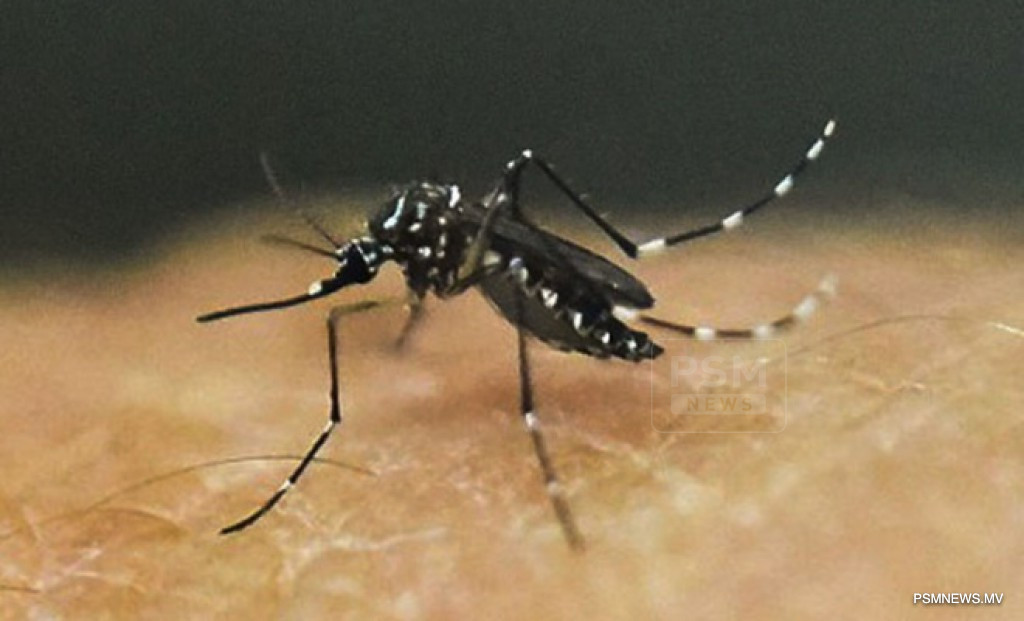
Relevant authorities have urged the public to take preventive measures against dengue fever amid rainy weather, which creates favourable conditions for mosquito breeding.
The Health Protection Agency (HPA) has noted that rainfall and stagnant water increase mosquito breeding. The agency said mosquitoes commonly breed in water-filled containers, flowerpots, construction materials, discarded tyres, empty plastic bottles and cans. It has urged the public and island councils to pay particular attention to eliminating stagnant water from homes, gardens and public areas.
Special mosquito control operations are under way across the Maldives, including the Malé area. The Housing Development Corporation (HDC), Fahi Dhiriulhun Corporation (FDC), Maldives Police Service, Waste Management Corporation (WAMCO) and Malé City Council are working together to collect waste, eliminate mosquito breeding sites and carry out fogging operations.
Various government agencies and organisations are collaborating to reduce the spread of dengue, but individual efforts are also essential. The public is advised to wear clothing that adequately covers the body and use mosquito repellent lotions or sprays. As Aedes mosquitoes, which transmit dengue, commonly bite during the day, keeping doors and windows closed during the morning and evening can also help reduce exposure. Regularly cleaning containers and other areas where water can accumulate is equally important.
According to HPA statistics, 673 dengue cases were reported in June this year. Although the number of reported cases has declined compared with that period, authorities have stressed that further efforts are needed to stop the spread of the disease.
Health professionals advise people with dengue to rest at home, drink plenty of fluids and use paracetamol for pain or fever relief. Other painkillers should not be taken without medical advice. Anyone whose condition worsens should seek medical attention without delay.