

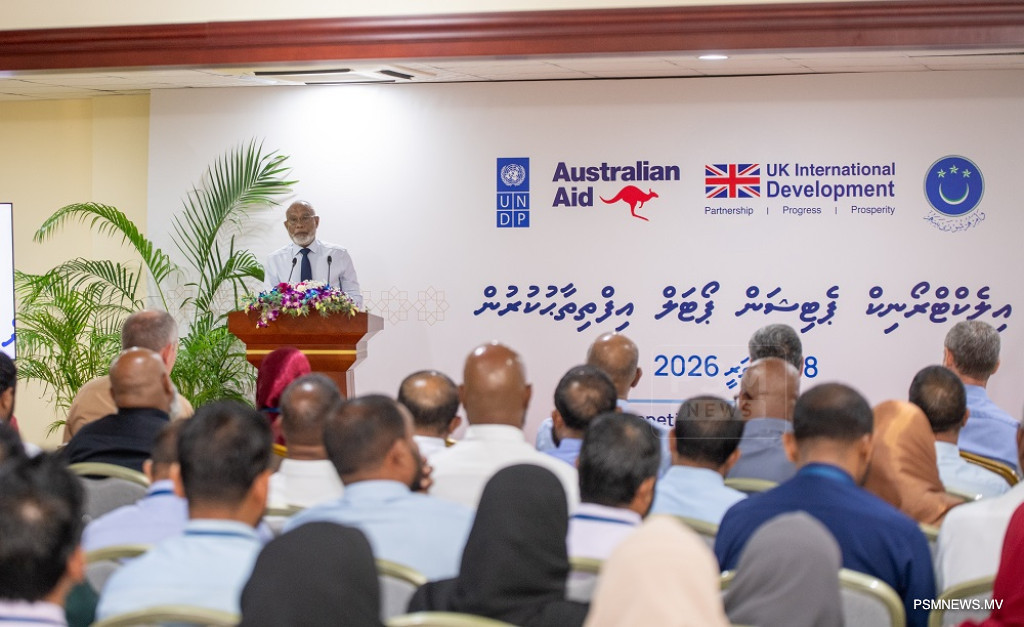
The Maldives has launched an Electronic Petition System, marking a significant step in the digital transformation of parliamentary processes and expanding public participation in the country’s democratic system.
The newly inaugurated e-Petition Portal enables residents to submit petitions online and track their progress through Parliament. Signatures submitted through the system will be authenticated using the e-faas digital identity platform.
The portal reduces residents’ reliance on parliamentarians to lodge petitions, allowing submissions from anywhere in the country. Under the system, the Parliament is required to follow specific procedures depending on the number of verified signatures a petition receives.
Parliament said the platform is designed to ease the burden on residents by introducing defined response timelines and facilitating parliamentary debate on qualifying petitions. Officials said the changes would lead to a more transparent and responsive legislative process.
Unlike the previous petition mechanism, the new portal allows users to follow the entire process from submission to decision-making. The status of each petition, along with the list of verified signatories, will be recorded and publicly accessible. Petitions can be signed using mobile phones and other smart devices, with real-time updates available throughout the process.
With the launch of the system, the Maldives becomes one of the few countries in South and Southeast Asia to operate an electronic petition platform within its parliament. Only Pakistan and Thailand currently have similar systems in place.
The portal was jointly developed by the Parliament and the United Nations Development Programme (UNDP), with funding support from the governments of United Kingdom and Australia.
Speaking at the inauguration ceremony, Speaker of Parliament Abdul Raheem Abdulla said the introduction of the e-Petition Portal would expand civic participation through the use of modern digital tools. He said the system would help strengthen the relationship between residents and Parliament.
The portal is the outcome of consultations with women’s groups, youth organisations and civil society bodies, and was developed based on policies formulated by Parliament and the UNDP in 2023.