

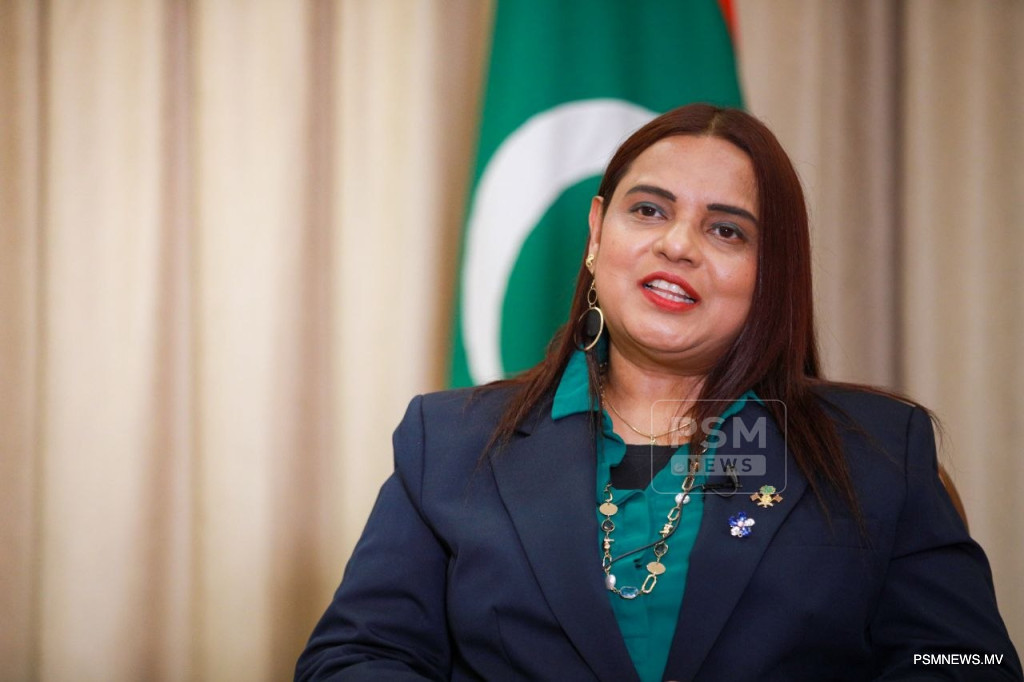
The government of Maldives is in talks with the British government for a permanent trade with the United Kingdom, after successfully securing a two-year suspension of the 20 percent tariff on Maldivian fish products exported to the British market, the Minister of Foreign Affairs, Iruthisham Adam has revealed.
This development marks a significant breakthrough in diplomatic efforts that have persisted for more than a decade, as the administration continues to pursue a permanent resolution to trade barriers that have long disadvantaged the island nation's crucial fishing industry.
Minister Iruthisham revealed to PSM News that Maldives has prioritised this issue since 2014, when the economic impact of tariff obligations first emerged as a pressing concern for the country's fishing sector. According to the Minister, the government conducted thorough analyses of all available options before engaging in substantive discussions with British counterparts.
"This is a matter of national economic significance," she, emphasising that the administration has spared no effort in exploring every conceivable avenue for tariff reduction.
The diplomatic breakthrough gained considerable momentum during President Dr Mohamed Muizzu's official visit to the United Kingdom last year, where the tariff issue featured prominently in discussions with senior British officials.
Minister Iruthisham revealed that President Muizzu took the opportunity to personally explain Maldives' economic circumstances during an audience with King Charles III, while simultaneously engaging British government ministers, members of the legislature, and the Foreign Secretary in detailed negotiations.
She elaborated on the various trade arrangements considered during negotiations, noting that the two nations explored multiple frameworks for economic cooperation. The first option involved a complete exemption from customs duties for Maldivian fish products entering the British market. The second pathway examined a generalised preferential arrangement that would extend duty-free treatment to a broader range of Maldivian goods beyond fishery products. The third option contemplated a comprehensive trade agreement encompassing multiple sectors and economic activities.
"We have discussed all these scenarios thoroughly, and these discussions will continue even after any formal agreement is signed between the two countries," she explained, signaling that the negotiation process remains dynamic and ongoing despite the temporary relief already secured.
The temporary nature of the current tariff suspension reflects the pragmatic approach adopted by both nations given their respective economic challenges. Minister Iruthisham acknowledged that Maldives continues to face considerable fiscal pressures including debt servicing obligations, while the United Kingdom itself contends with domestic economic concerns that influence its trade policy decisions.
"Both sides agreed that a temporary solution represents the most practical approach at this juncture, while we continue working toward a permanent resolution," the Minister said.
This measured strategy allows Maldivian exporters immediate relief from tariff burdens while providing adequate time for the technical and legal frameworks necessary for a lasting trade agreement to be developed and implemented.
The Minister emphasised that the tariff suspension would generate substantial benefits for all stakeholders in the fishing value chain, from artisanal fishermen and processing enterprises to export companies and, ultimately, British consumers.
Minister Iruthisham confirmed that British government officials have formally communicated their decision to implement the tariff reduction, confirming that the diplomatic efforts have yielded measurable results.