

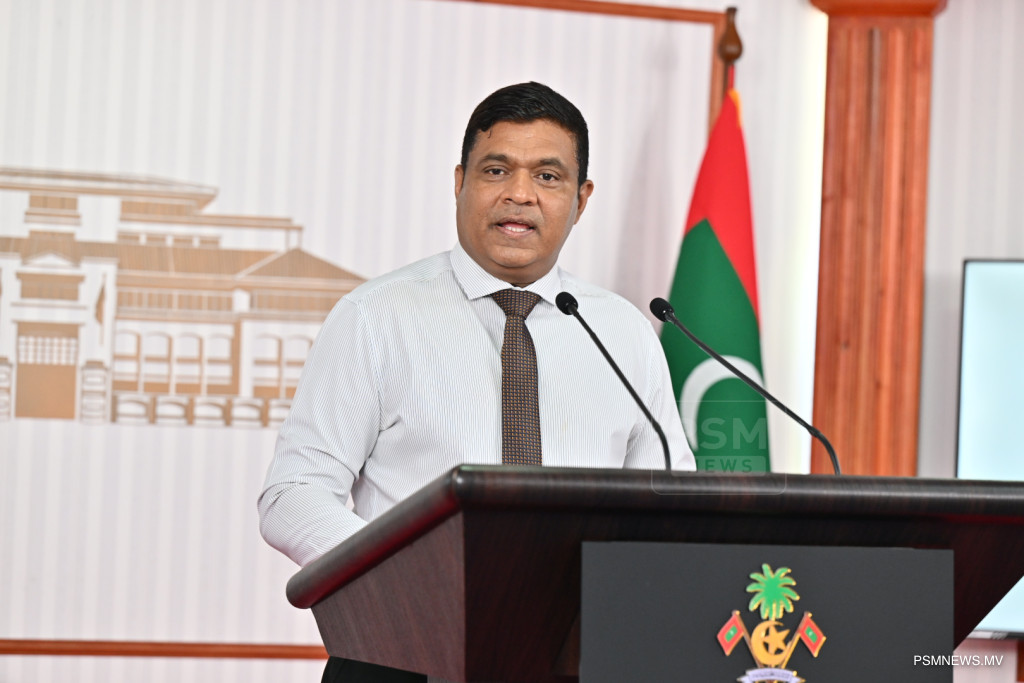
A new regulation has been introduced for tourism properties that have remained undeveloped or non-operational for a long time.
According to the new regulations, contracts can be terminated for properties which has remained inactive for more than eight years.
According to the Ministry of Tourism and Civil Aviation, there are 168 tourism sites that have remained undeveloped for many years, with some exceeding 25 years. The ministry said USD 537 million owed to the state by these properties remains unpaid.
Stalled projects negatively impact the state and citizens, as it delays state revenue such as Tourism Goods’ and Service Tax (TGST), Green Tax, Airport Tax and other taxes, as well as reducing employment opportunities. Valuable land and resources also remain underused, which in turn hinders economic growth and development.
The new regulations set stricter conditions for extending construction periods, redevelopment closures, rent deferrals and repayment of deferred rent. It also sets out procedures on how to deal with long-stalled properties.
When the new regulations are implemented, the ministry expects some stalled projects to be terminated while others resume, allowing them to be brought into operation. This will recover state revenue and create jobs for a large number of citizens, as well as revitalise the economy and development.
Meanwhile, the Minister of Tourism and Civil Aviation Mohamed Ameen, said that Maldives Inland Revenue Authority (MIRA) figures show that USD 97 million is owed by resorts in unpaid land rent and penalties.
Resorts are required to pay land rent plus penalties for late or non-payment. While some resorts have not paid their rent since 2013 resulting in arrears accumulated over many years, the minister acknowledged that resolving the long-standing arrears will take time.
He also said action will be taken against resort operators who fail to pay within the deadlines set by the Ministry of Tourism, adding that tourism land rent is connected to the rights of the people, and failure to collect it could create a bad environment.
Tourism rent is charged by the government for land leased for resorts, hotels, guesthouses and yacht marinas, with rates now fixed per square metre depending on the atoll.