

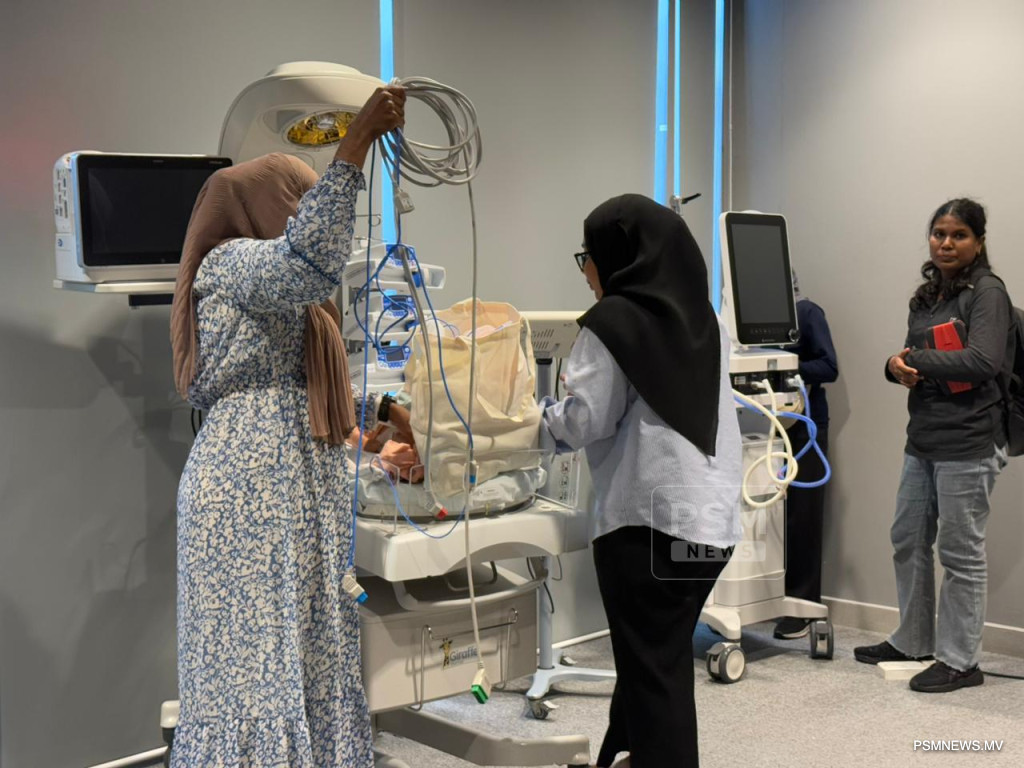
The number of children born in the Maldives fell by 9.5 per cent in the first six months of 2026 compared with the same period last year, the latest Quarterly Vital Statistics Report shows.
The Ministry of Health, Family and Welfare and the Maldives Bureau of Statistics jointly publish the report, which provides updated statistics on births and deaths every three months. A total of 2,538 children were born during the first six months of this year, down from 2,806 during the same period in 2025, a decline of 268 births.
The figures show that male births outnumbered female births during the first six months of the year. Male births fell from 1,407 in the first six months of 2025 to 1,309 during the same period this year, while female births declined from 1,399 to 1,229.
The Malé region accounted for the largest share of births during the first six months of the year, accounting for 70 per cent of births compared with 30 per cent in the atolls. The proportions remained broadly similar in 2025 and 2026.
The figures also show that the largest number of births during the first six months of this year were among mothers aged between 30 and 34. Statistics from the same period last year show a similar pattern.
While births declined, deaths increased over the same period. The number of deaths rose from 703 in the first six months of 2025 to 813 this year, with people aged 65 and above accounting for the largest share.
Deaths among foreign nationals increased from 72 during the first six months of 2025 to 89 during the same period this year.
The declining proportion of births in the Maldives has raised concerns. Experts say demographic changes could affect the Maldivian economy and the future of Maldivians amid concerns over a growing elderly population and a shrinking working population. The country's current young population will age over the next 30 years, while the proportion of children being born continues to decline year on year.
The main factors behind the declining proportion of births in the Maldives are linked to social issues, including difficulties in securing housing and the high divorce rate.